Loading...
Serving Royse City, TX and surrounding areas. (469) 981-1228
Texas heat and shifting clay soil are hard on unprotected wood. Get a thorough prep job and the right products applied at the right time - so the finish actually holds.
Deck staining and sealing in Royse City protects wood from UV damage, moisture, and surface wear - most residential jobs take one to two days from prep to finish, and a properly done coat holds up for two to three years before it needs refreshing.
Staining pushes color and a protective layer into the wood grain. Sealing locks out moisture so boards do not absorb water with every rain. Together, they work like sunscreen and a raincoat for your deck - without them, Royse City summers will bleach, dry out, and crack unprotected wood faster than most homeowners expect. If your deck has boards that are already soft or structurally compromised, those need attention first - see our deck repair and replacement page for what that process looks like.
The single most common reason a stain job fails within a year is skipped prep. Stain bonds to clean, dry, bare wood - not to dirt, mildew, or old peeling finish. Getting the surface right before anything goes on is what separates a two-to-three year finish from one that starts peeling the following spring.
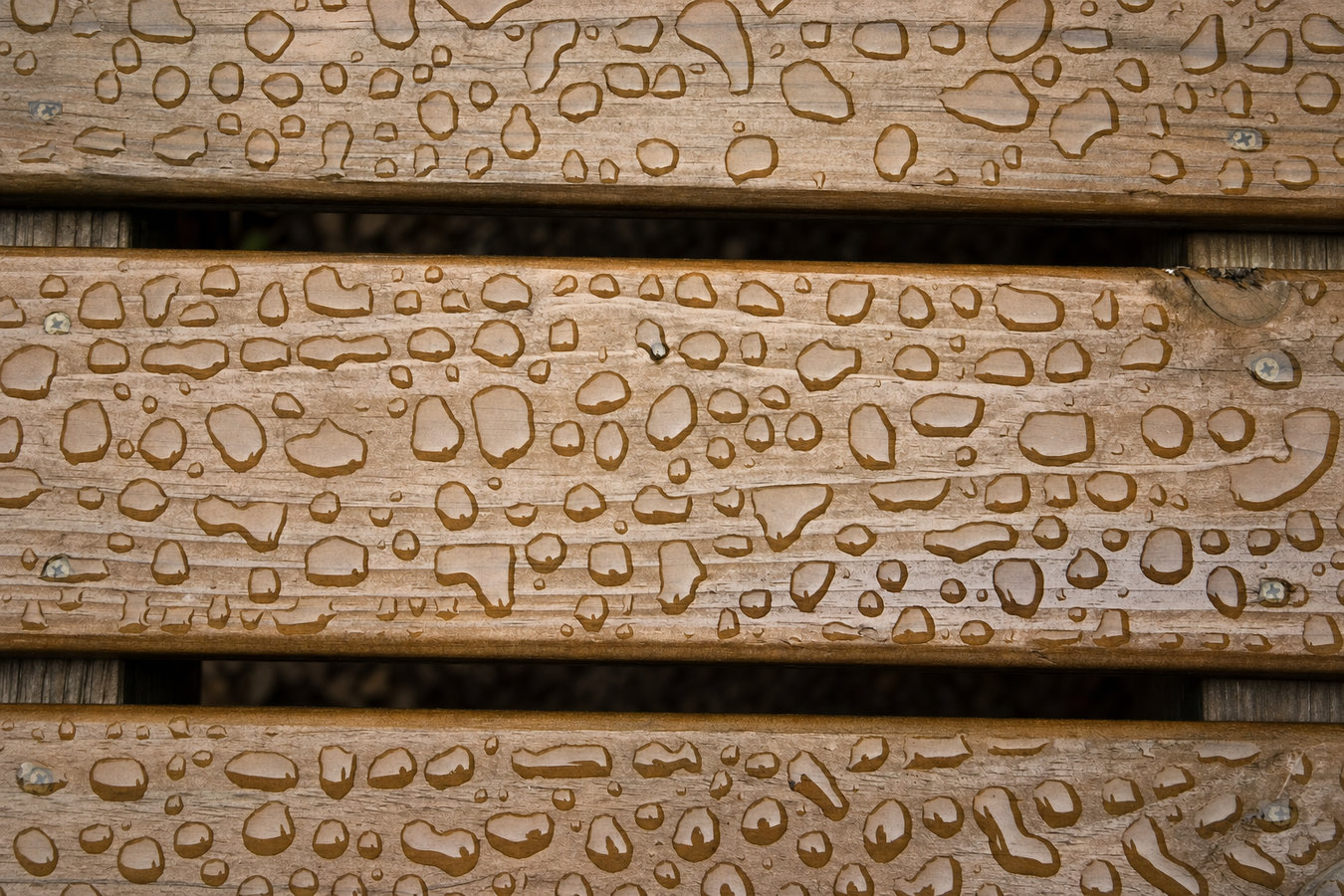
Pour a small cup of water on your deck boards. If it soaks in within a few seconds rather than sitting in little droplets, the protective seal has worn through. This means your deck is absorbing moisture with every rain - which in Royse City's wet spring season adds up quickly.
When deck boards lose their color and go gray, the UV protection is gone and the sun has been bleaching the wood fibers. In Royse City's long, sunny summers this can happen within 18 months on a south-facing deck. Gray wood is not ruined, but it needs cleaning and a fresh coat before it starts to crack.
Run your hand along the boards. If the surface feels rough, splintery, or shows small cracks running along the grain, the wood is drying out and contracting. Royse City's clay soil movement and temperature swings put extra stress on deck boards. Catching it at this stage means staining can still help - waiting longer may mean replacing boards.
Even if your deck looks okay, the protective layer breaks down over time whether you can see it or not. If you cannot remember the last time the deck was stained or sealed - or you bought the home and do not know its history - it is a safe bet the wood needs attention.
Every job starts with an honest assessment of what your deck actually needs - not just a coat of stain on top of whatever is already there. If the existing finish is peeling or flaking, all of that old material has to come off first or the new coat will peel just as fast. Some decks need a full strip and restain. Others are in fine structural shape and just need a maintenance coat after a thorough wash and dry. We tell you which situation you are in before any work begins. If your deck is due for both staining and some board work, we handle repair and finish as one job - avoiding the hassle of coordinating two separate crews. If you have been thinking about adding a pool deck at the same time, that is a good conversation to have during the estimate visit.
We also handle the timing question that trips up a lot of homeowners. Stain applied in direct afternoon sun on a hot Royse City day dries too fast and streaks. Newly built decks sometimes still have moisture in the wood and need time before the first coat goes on. We check moisture levels with a meter before we apply anything, and we schedule the work during the seasonal windows - late spring and early fall - when temperature and humidity give the product the best chance of bonding correctly.
For decks with peeling, flaking, or heavily weathered finish - all old material is removed before a fresh coat goes on.
For decks in good shape that are due for a maintenance coat - pressure-wash, dry, and apply a new layer of stain and sealer.
When a few boards need replacing before any finish is applied - we handle the repair and the staining as one job.
For freshly built decks that need their first sealant application - applied at the right time after the wood has settled and dried.
Royse City sits in Rockwall County, where summer temperatures regularly push past 100 degrees Fahrenheit and UV exposure is intense for months at a stretch. That combination breaks down an unprotected deck faster than most homeowners realize - sometimes turning a solid-looking surface gray and splintery within a single summer. The area is also one of the fastest-growing in Texas, which means a lot of decks are on homes built within the last five to eight years where the lumber may still have had moisture in it at the time of installation. Staining too soon traps that moisture inside, which leads to bubbling and peeling. Homeowners in Fate and Rockwall deal with the same newer-construction timing issues and we work in both areas regularly.
The other local factor worth knowing about is the HOA landscape. Many of Royse City's planned communities - particularly along the FM 548 and Highway 276 corridors - have guidelines that specify acceptable stain colors or finish types for outdoor surfaces visible from neighboring properties. Before picking a color, check your HOA documents or send a quick note to your association. Your contractor will not always know your specific community's rules, and getting a color rejected after work is done is an expensive problem to fix. We ask about HOA requirements at the start of every estimate.
We will ask a few basic questions - deck size, age, when it was last treated, and any visible damage. We respond within one business day and schedule a time to come out and look at the deck in person.
We walk the deck, check the condition of the boards, test whether the wood is dry enough to accept a new finish, and give you a written quote. This is also when to mention your HOA color requirements if you have them.
We pressure-wash the deck to remove dirt, mildew, and flaking finish. After washing, the wood needs to dry completely - in Royse City's summer heat this often takes 24 hours, but in humid or overcast conditions it may take 48 hours before the stain can go on.
Once clean and dry, we apply the stain and sealer in sections to avoid lap marks. Most standard decks finish in one day. We walk the completed deck with you and tell you exactly when it is safe to put furniture back - typically 24 to 48 hours after application.
Free written estimate. No pressure. We respond within one business day.
Skipped prep is the most common reason a stain job fails within a year. We pressure-wash, test moisture levels, and replace any damaged boards before a drop of stain is applied. The durability of the finish comes from that foundation.
The North American Deck and Railing Association (NADRA) sets the professional standard for deck work across the industry. Following NADRA best practices means your stain job follows proven methods, not guesswork.
Stain applied in direct afternoon sun on a 100-degree deck dries too fast and streaks. We schedule staining work for early morning in late spring or early fall - when the wood temperature and humidity give the product the best chance of bonding correctly.
Royse City's expansive soil causes deck boards to flex over time, which can crack a rigid finish faster than stable wood. We check for boards that need attention before we apply a finish, so you are not paying to seal a deck that is already starting to fail underneath.
A stain job that lasts starts with prep work most people never see - clean, dry wood, checked moisture levels, and the right product for North Texas conditions. We do not skip those steps, because that is where the two-to-three year durability actually comes from.
Build a durable, heat-safe surface around your pool designed for Royse City's clay soil and summer heat.
Learn MoreReplace rotted or structurally compromised boards and framing before staining makes the problem invisible.
Learn MoreBook your estimate now - fall and spring windows fill up fast, and proper timing is what makes the difference between a finish that lasts and one that peels.